
408-A Near Jain Bhawan,
Kapurthala Road, Jalandhar

Piles, medically known as Hemorrhoids, are a common anorectal condition that can cause bleeding, pain, and discomfort. When medications and lifestyle changes do not provide relief, surgical treatment becomes necessary.
Patients often face a key decision: whether to choose laser surgery or traditional piles surgery. Understanding the differences helps in making the right choice.
Piles are swollen blood vessels in the anal canal. They are classified into grades depending on severity, ranging from mild (Grade 1) to severe (Grade 4).
We’re here to help you. Reach out to us for consultations or queries.
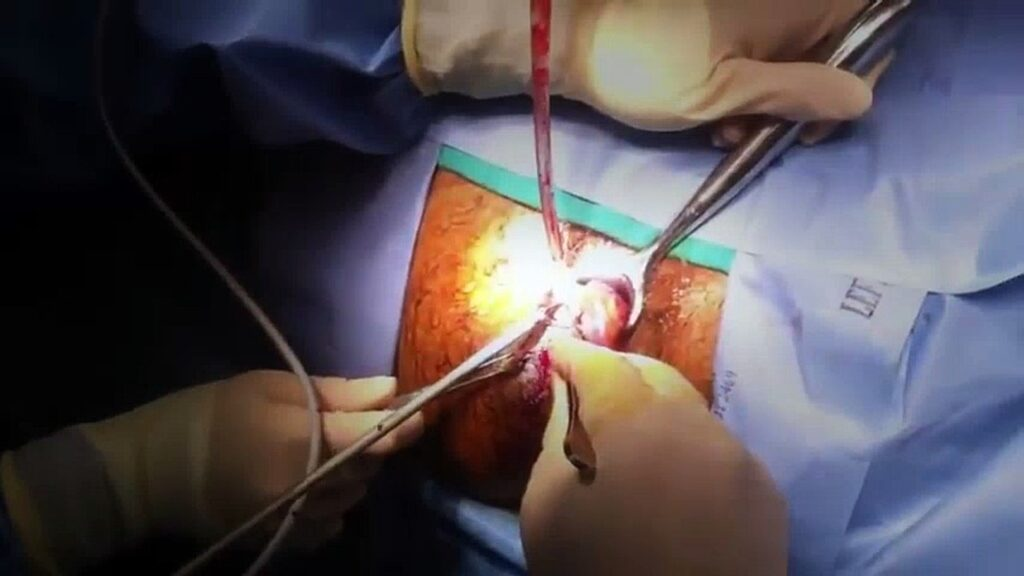
Traditional Piles Surgery : Common techniques include open hemorrhoidectomy, closed hemorrhoidectomy, and stapler surgery. These methods involve surgical removal of hemorrhoidal tissue using conventional instruments. They are effective, especially in advanced stages, but involve wound healing.
- Tissue removal using surgical instruments
- Effective for advanced piles
- Requires healing of an open or surgical wound
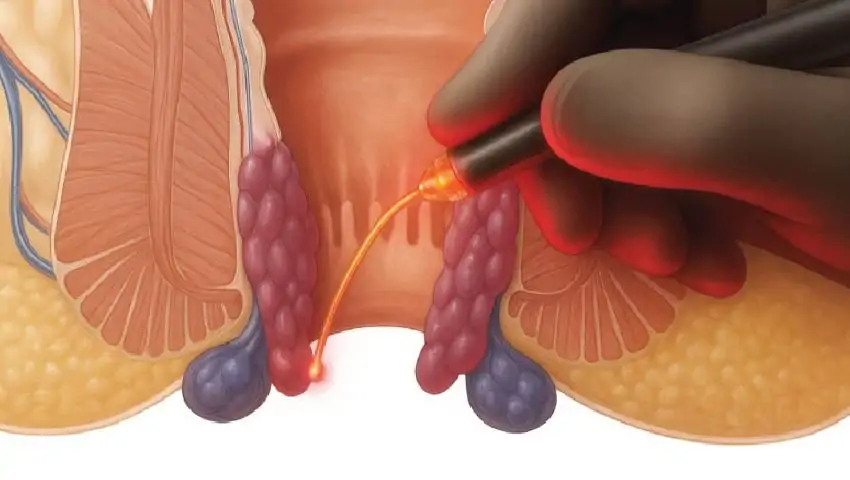
Laser Piles Surgery Laser surgery uses focused laser energy to shrink or coagulate hemorrhoidal tissue with high precision.
- Minimally invasive approach
- Precise targeting of affected tissue
- Reduced damage to surrounding structures
- Pain : Laser surgery causes minimal pain, while traditional surgery can result in moderate to severe pain
- Bleeding : Laser surgery involves minimal bleeding, whereas traditional surgery may have more bleeding
- Hospital stay : Laser treatment is usually a day-care procedure, while traditional surgery may require 1 to 3 days of hospitalization
- Recovery time : Recovery is faster with laser surgery, while traditional surgery has a longer recovery period
- Wound : Laser procedures typically do not leave an open wound, whereas traditional surgery involves wound healing
- Risk of infection : Lower in laser procedures and relatively higher in traditional methods
- Return to work : Earlier with laser surgery and delayed after traditional surgery
- Less post-operative pain
-Faster recovery
- Minimal bleeding
- Day-care procedure
- Better overall patient comfort
Laser surgery is ideal for patients who want a quicker return to normal life with minimal discomfort.
- Requires specialized expertise
- A small camera and thin laser fibre are inserted into the sinus tract under direct vision
- May not be suitable for all very advanced cases
- Cost can be slightly higher compared to traditional methods
- Highly effective for large or complicated piles
- Well-established and widely practiced technique
- More post-operative pain
- Longer recovery period
- Higher discomfort after surgery
The right choice depends on multiple factors, including the grade of the piles, the severity of symptoms, patient expectations, and the surgeon’s experience. A detailed clinical evaluation is essential before deciding the treatment plan.
- More than 34 years of surgical experience
- Pioneer in laser proctology in India
- Expert in advanced minimally invasive anorectal procedures
- Strong focus on patient safety, comfort, and outcomes
Strong focus on patient safety, comfort, and outcomes
- Is laser surgery completely painless
It is significantly less painful compared to traditional surgery
- Can piles recur after surgery
Recurrence depends on lifestyle, diet, and the quality of treatment
- Is hospitalization required
Laser surgery is usually performed as a day-care procedure
- Which is safer
Both procedures are safe when performed by an experienced surgeon
Both laser and traditional piles surgeries have an important role in treatment. However, laser surgery offers clear advantages in terms of reduced pain, faster recovery, and minimal invasiveness. The final decision should always be based on expert evaluation and individual patient needs.