
408-A Near Jain Bhawan,
Kapurthala Road, Jalandhar
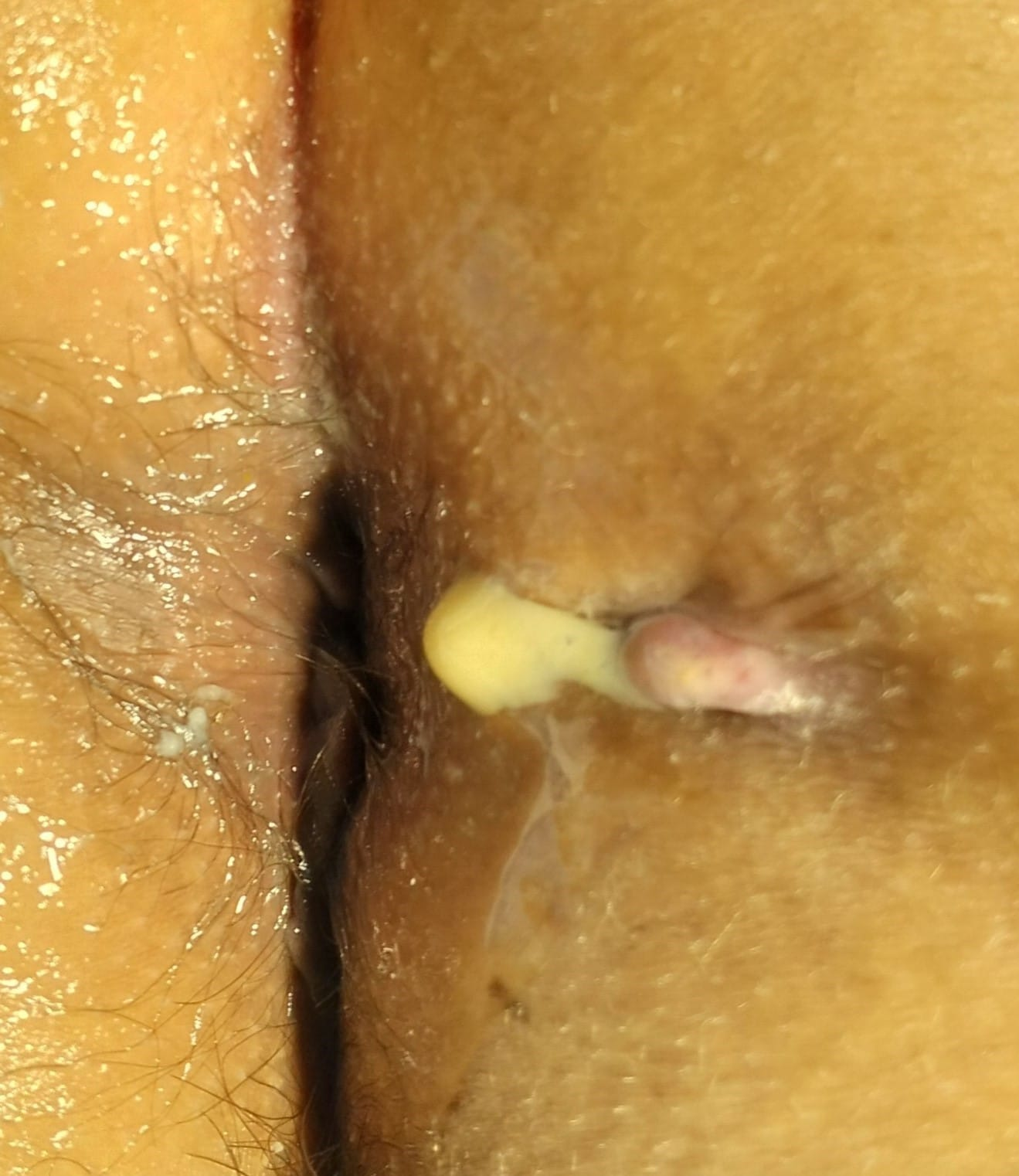
A fistula-in-ano is a small tunnel or passage that develops between the inside of the anus and the skin around it. It usually starts after an infection near the anus that leads to an abscess. When the abscess drains, it may leave behind a tract, creating a fistula.
This abnormal passage can cause ongoing discomfort, pain, and repeated infections if left untreated. Many patients notice persistent discharge of pus or blood, irritation around the anal area, and difficulty while sitting or passing stool.
Because a fistula is connected to the inside of the anus, it rarely heals on its own. Proper diagnosis and timely treatment by a specialist are important to prevent complications and improve quality of life.
If you have a fistula, you may experience:
If you notice any of these signs, it is important to get it checked by a specialist early.
Years of Excellence
Lives Transformed
Laser Surgeries
Happy Patients

We’re here to help you. Reach out to us for consultations or queries.
A thorough examination by a trained doctor is the first and most important step. They will gently inspect and feel around the area to check for:
A gentle finger examination inside the rectum helps locate the internal opening and assess the extent of the tract.
For complex or recurrent fistulas, advanced imaging like MRI may be recommended. MRI gives a detailed view of the fistula tract, helping doctors plan the best treatment.
Because every fistula is different! Some are simple, with a straightforward path. Others are complex, involving multiple tracts and sphincter muscles. Proper diagnosis helps avoid unnecessary surgeries, reduces the chance of recurrence, and protects the muscles that control continence.
Doctors classify fistulas based on their path and relation to the anal muscles (sphincters):
A famous guideline called Park's Classification is used to understand different types of fistulas.
Treatment depends on the type of fistula and may include:
Laser Alone Has No Role in Fistula – It Must Be Used Intelligently
Laser alone cannot cure fistulas.
At Karan Hospital, Jalandhar, we believe in honest advice, safe surgery, and happy recoveries.
Ans: A fistula-in-ano is a small tunnel between the inside of the anus and the skin around it, usually caused by a previous infection or abscess. It often leads to persistent pain, discharge, and swelling.
Ans: Fistulas usually develop from infections in small anal glands. When the infection doesn't heal properly, it can create a tunnel between the inside and outside of the anus.
Ans:No. Not every fistula is suitable for laser treatment. Laser must be combined with other techniques like coring, SLOFT, or LIFT for best results, especially in complex fistulas. Expert judgment is crucial to decide when Laser is appropriate.
Ans:Most patients are back to their normal daily activities in 3 to 5 days after surgery. Complete wound healing may take around 4 to 6 weeks, depending on the complexity of the fistula and personal care.
Ans: You should see a doctor if:
Ans: Dressings are usually needed for the initial few days, then as advised by your surgeon. Some wounds need dressing 2–3 times a week, others daily — depending on the case.
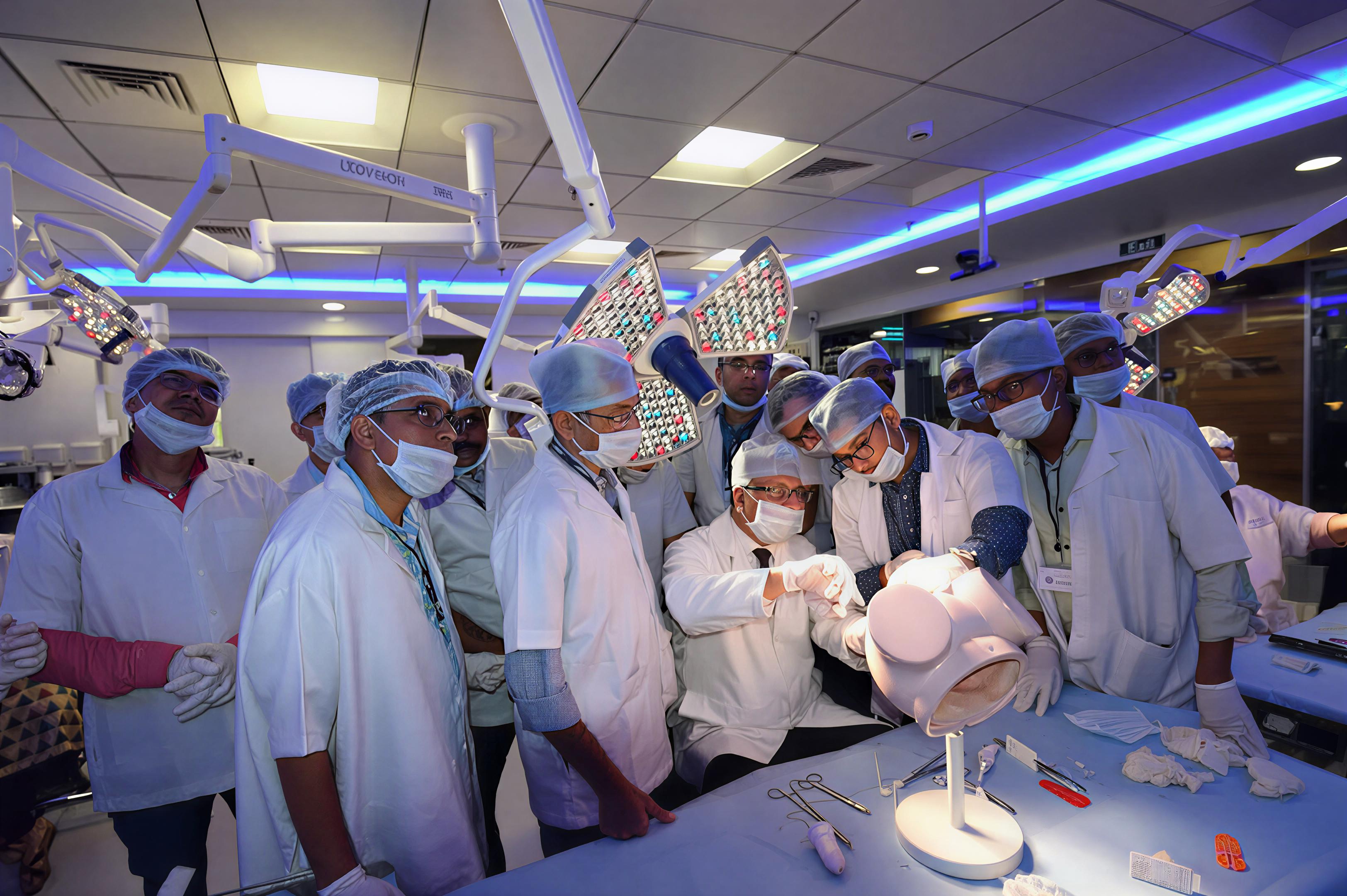
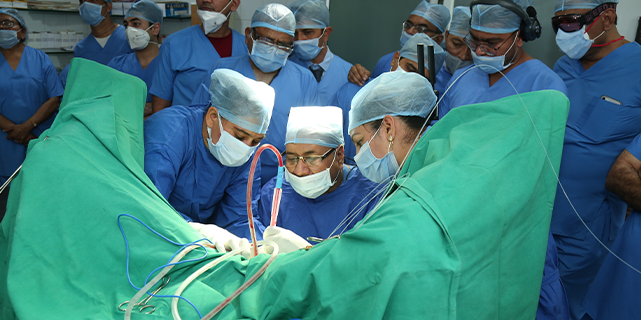
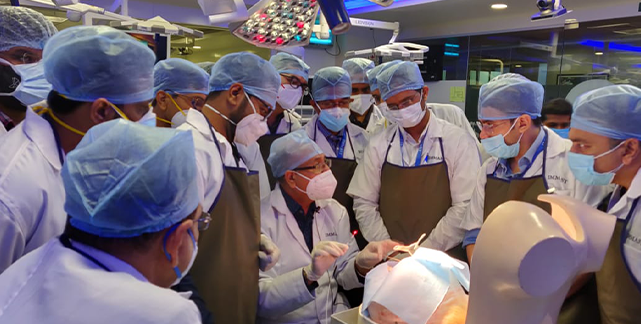
For training workshops or distribution inquiries
Karan Hospital, Jalandhar
Real patient experiences reflecting quality treatment, advanced laser care and successful results at Karan Hospital.
 ★★★★★Google Verified Review
I was referred to Dr Kamal Gupta's Karan Hospital as was suffering from fistula and it had to be operated to get rid of it. Dr Gupta and team did a great job I was operated on March 31st and had couple of follow up visits and I am ready to go bac...
 ★★★★★Google Verified Review
I had fistula in ano since 2,3 years. I specially came from Canada for this treatment. Dr Kamal treated me very well and explained everything to me very clearly. They took me for surgery on January and now after 3 months I'm fully cured. I recommend...
★★★★★Google Verified ReviewI had suffered from fistula in ano since one year. I had visited so many hospital but one of my known recommend me to visited Karan hospital. I visited their and now I'm fully satisfied after 3 months of treatment. I'm very thankful to Dr Kamal Gupta an....
★★★★★Google Verified ReviewI had fissure in ano since very long time so I visited karan hospital for my treatment. Dr kamal gupta is very good surgeon and his team also very understanding towards patient. So i recommend everyone to visit here and get yourself treated.
★★★★★Google Verified ReviewFor the last 5 Years I had been suffering from pain and bleeding after defecation. I was afraid of surgery but somebody told me about the LASER treatment that Karan Hospital was offering. I am so glad to come here and now I am fully cured. Experience was excellent. Totally satisfied.
★★★★★Google Verified ReviewI got very good treatment for my piles with the LASER technique. No cuts, no stitches, my treatment went very smoothly.
★★★★★Google Verified ReviewI would like to thank Dr. Kamal Gupta. It was wonderful and unique experience. The charges were reasonable in comparison to the satisfaction and kind of service I received during my treatment.