
408-A Near Jain Bhawan,
Kapurthala Road, Jalandhar
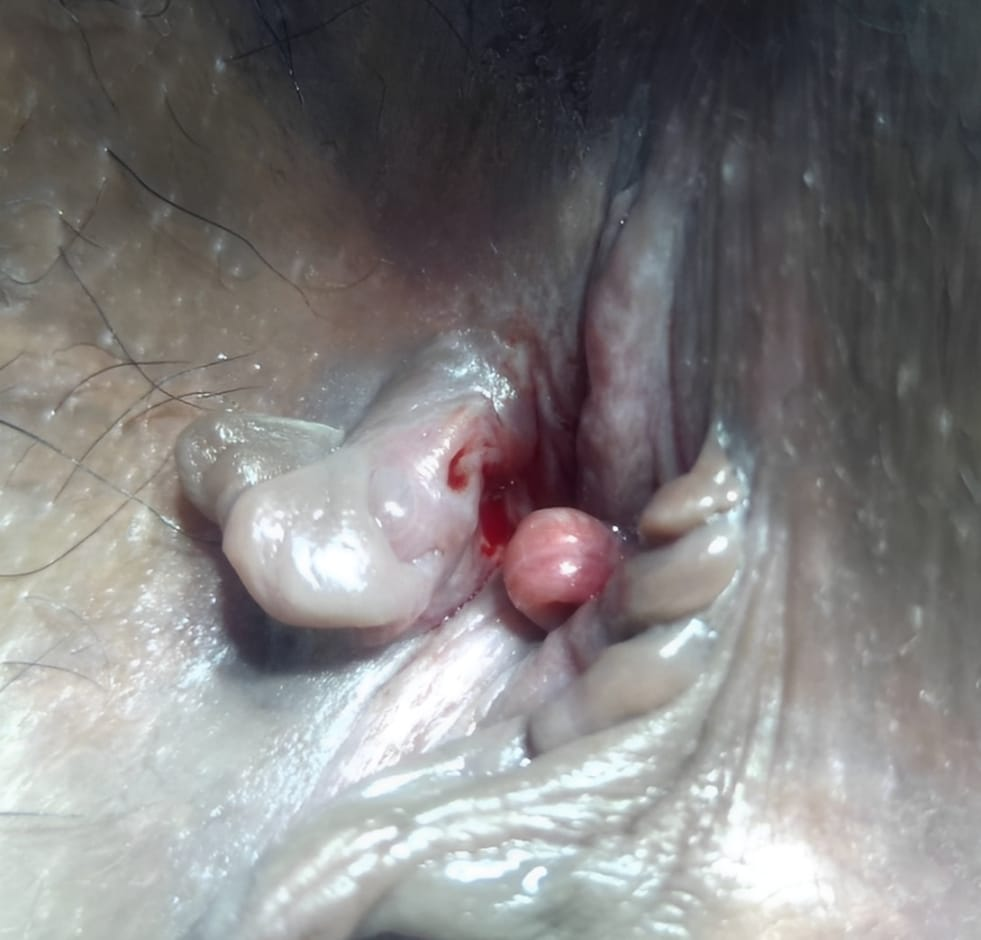
An anal fissure is a small tear or cut in the skin of the anal canal—the area from where you pass stool. Despite being small in size, it can cause severe pain, especially during and after passing stool. Sometimes, you may notice bright red blood or a small lump (a sentinel pile) near the cut. Anal fissures are cracks or tears in the anus and anal canal. They may be acute or chronic.
Anal fissures are caused primarily by trauma, but several non-traumatic diseases are associated with anal fissures and should be suspected if fissures occur in unusual locations. The most common causes are:
The primary symptom of anal fissures is pain during and following bowel movements. Other symptoms that may occur are bleeding, itching, and malodorous discharge
In chronic cases, the pain becomes daily, the tear deepens, and healing becomes difficult due to constant spasms of the internal anal muscle.
Years of Excellence
Lives Transformed
Laser Surgeries
Happy Patients

We’re here to help you. Reach out to us for consultations or queries.
The tear is located in a very sensitive area. The internal anal muscle goes into a spasm (tight contraction), which reduces blood flow and slows healing. It creates a vicious cycle—pain causes spasms, and spasm delays healing.
However, chronic fissures (present for more than 6 weeks) usually need minor procedures.
Fissurectomy involved cutting away tissues, leaving a raw wound and long recovery. Today, there's a better solution designed for comfort, speed, and precision.
Laser surgery is an advanced, precise, and minimally invasive way to treat anal fissures. The procedure is called Laser Lateral Internal Sphincterotomy
Surgery by lateral sphincterotomy is the standard procedure for curing anal fissures. Because of complications, however, it is reserved for patients who are intolerant of non-surgical treatments or in whom non-surgical treatments have proven to be ineffective.
Minimal damage to surrounding tissues
Improved blood flow means faster recovery
Laser seals vessels during cutting
You can go home the same day
Very low chances of affecting bowel control
Laser treatment targets only the affected area
Yes, in most cases. However, for patients with weak sphincter muscles (such as elderly individuals or women with multiple childbirths), other techniques like flap surgery may be better suited.
Your doctor will assess your condition and recommend the safest and most effective approach.
Laser Internal Sphincterotomy or LASER treatment is done when a patient suffers from a chronic fissure. During this surgery, the laser is used to create a small incision at the fissure site. This helps to relax the anal sphincter muscles, thereby healing the fissure.
Advantages:Leaving an anal fissure untreated can result in serious complications like:
If you’re experiencing pain or bleeding during bowel movements, don’t wait. Early treatment can often prevent surgery — and if needed, laser treatment provides a safe, effective, and fast-healing option.
Ans:A fissure-in-ano is a small tear or cut in the skin of the anal canal, often caused by passing hard stools or straining during bowel movements.
Ans: No. A fissure is a tear in the anal skin, while piles are swollen veins inside or around the anus. Both can cause bleeding and discomfort, but they are different conditions.
Ans: Symptoms include:
Ans:If detected early (acute Fissure), it can heal with diet changes, sitz baths, and medicines. Chronic fissures may need minor surgical treatment.
Ans:Laser Lateral Internal Sphincterotomy is one of the safest and most effective treatments. It reduces muscle spasms and improves healing with minimal discomfort.
Ans:Laser surgery is minimally invasive and less painful compared to traditional surgery. Most patients recover quickly and resume normal life in 1–3 days.
Ans: You should see a doctor if:
Ans:Stress does not directly cause fissures, but it can lead to constipation, which increases the risk of fissures.
Ans: You should see a doctor if:
Ans:Fissures can recur if you do not maintain a proper diet and bowel habits. Proper hydration, fiber intake, and avoiding straining help prevent recurrence.
Ans:Yes. In high-risk cases, we use gentler methods like laser sphincterotomy or Botox injection to ensure safety and faster healing.
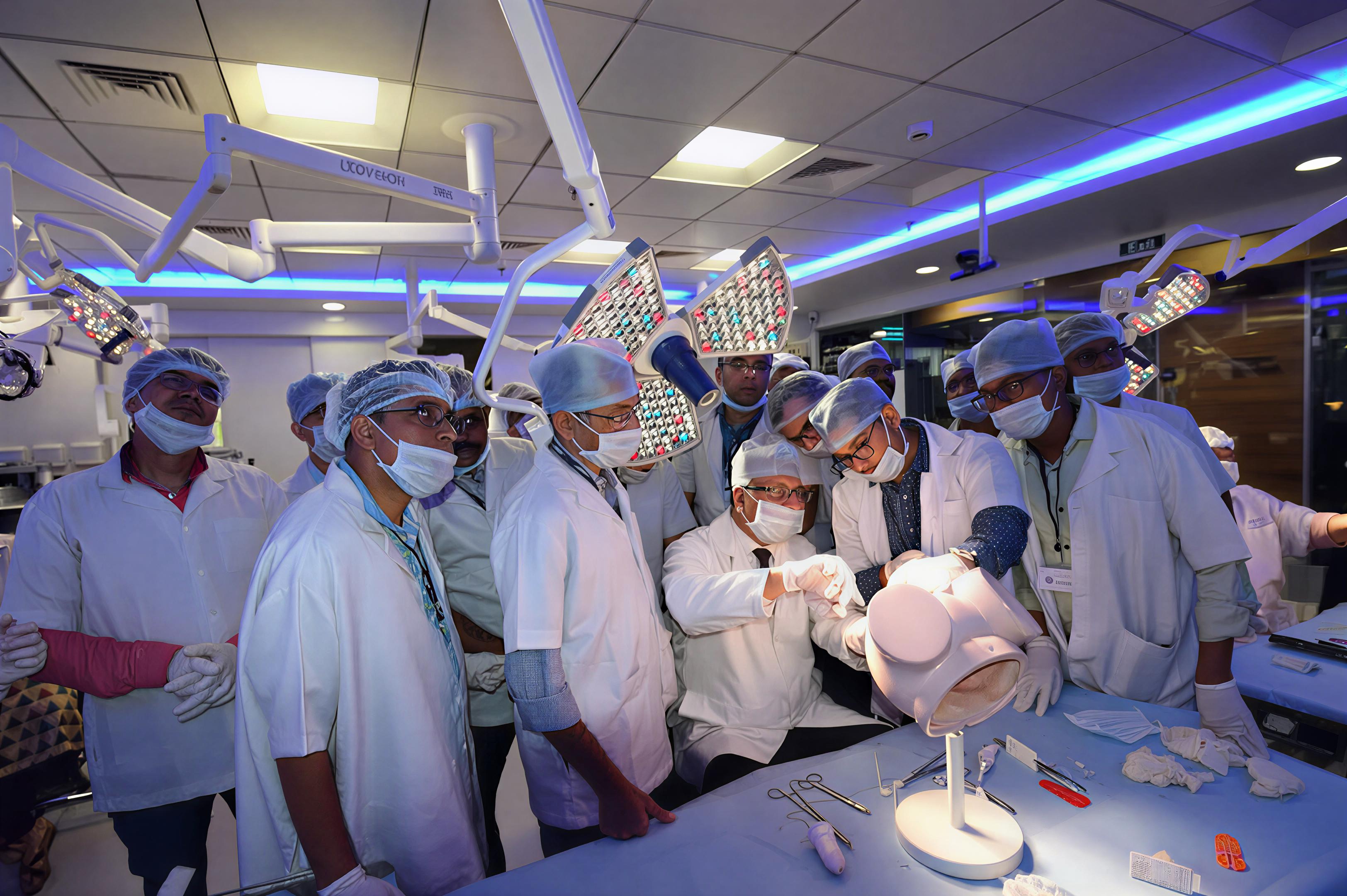
For training workshops or distribution inquiries
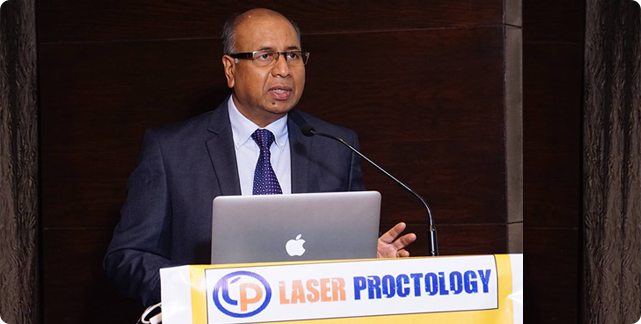
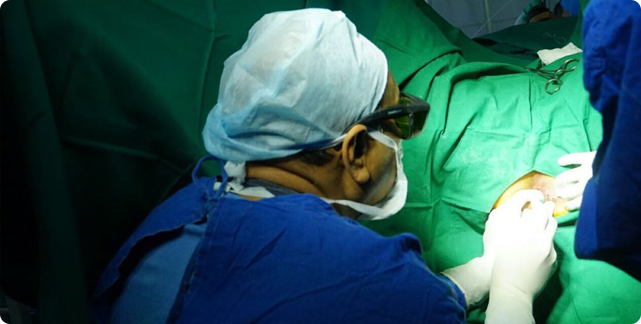
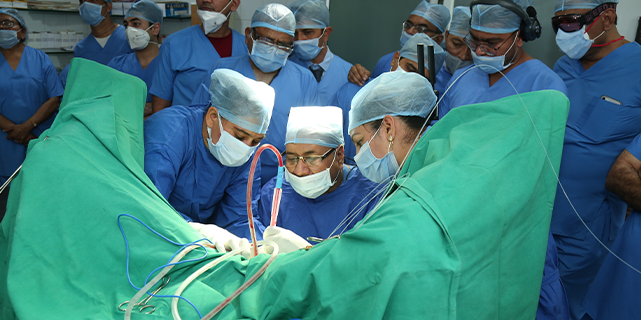
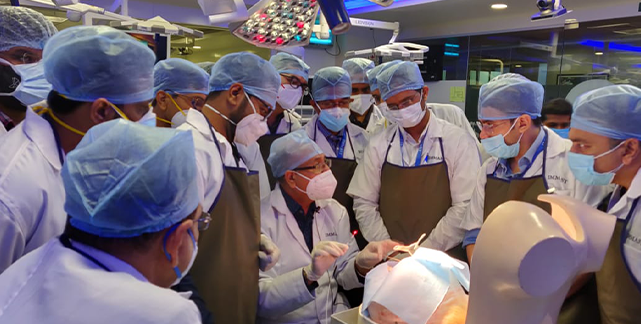
Karan Hospital, Jalandhar
Real patient experiences reflecting quality treatment, advanced laser care and successful results at Karan Hospital.
 ★★★★★Google Verified Review
I was referred to Dr Kamal Gupta's Karan Hospital as was suffering from fistula and it had to be operated to get rid of it. Dr Gupta and team did a great job I was operated on March 31st and had couple of follow up visits and I am ready to go bac...
 ★★★★★Google Verified Review
I had fistula in ano since 2,3 years. I specially came from Canada for this treatment. Dr Kamal treated me very well and explained everything to me very clearly. They took me for surgery on January and now after 3 months I'm fully cured. I recommend...
★★★★★Google Verified ReviewI had suffered from fistula in ano since one year. I had visited so many hospital but one of my known recommend me to visited Karan hospital. I visited their and now I'm fully satisfied after 3 months of treatment. I'm very thankful to Dr Kamal Gupta an....
★★★★★Google Verified ReviewI had fissure in ano since very long time so I visited karan hospital for my treatment. Dr kamal gupta is very good surgeon and his team also very understanding towards patient. So i recommend everyone to visit here and get yourself treated.
★★★★★Google Verified ReviewFor the last 5 Years I had been suffering from pain and bleeding after defecation. I was afraid of surgery but somebody told me about the LASER treatment that Karan Hospital was offering. I am so glad to come here and now I am fully cured. Experience was excellent. Totally satisfied.
★★★★★Google Verified ReviewI got very good treatment for my piles with the LASER technique. No cuts, no stitches, my treatment went very smoothly.
★★★★★Google Verified ReviewI would like to thank Dr. Kamal Gupta. It was wonderful and unique experience. The charges were reasonable in comparison to the satisfaction and kind of service I received during my treatment.